






// Direct answers
How often should you walk your dog?
There is no single schedule for every dog. For a healthy adult dog, one or two daily outings can be a reasonable starting point; adjust frequency, pace, and length for age, breed, health, energy, weather, and what your dog comfortably handles.
How many times a day should you walk your dog?
Many dogs do well when movement is split across two outings, but the right number may be different for your dog. Several shorter walks can work better than one long walk for a puppy, senior dog, small dog, or dog building stamina.
How many times a day to walk a dog?
Use your dog’s response rather than a fixed count. Keep a consistent routine, offer safe opportunities to sniff, and change the duration or frequency gradually instead of suddenly adding more exercise.
How often should I walk my small dog?
Small dogs still benefit from regular movement and enrichment, but size alone does not determine a schedule. Shorter, more frequent outings may suit some small dogs; consider age, health, breed, fitness, weather, and the individual dog.
How many walks a day do dogs need?
Dogs do not all need the same number of walks. A practical plan balances movement, sniffing, play, rest, and bathroom needs, then changes as your dog’s energy, health, or environment changes.
How much should dogs walk a day?
Choose a duration and pace your dog can complete comfortably without pain, marked fatigue, or reluctance. Distance is not a useful universal target; ask your veterinarian for an individualized plan if your dog has a health, weight, or mobility concern.
These are starting points, not a diagnosis or a substitute for veterinary advice. For the principles behind individualized exercise plans, see VCA Animal Hospitals — Exercise in Dogs, American Kennel Club — How Often Should You Walk Your Dog?, and PDSA — Dog walking: how often should I walk my dog?.
Every dog’s walking routine is individual. Age, health, breed, energy, fitness, weather, and the kind of enrichment your dog enjoys all matter more than a single number on a chart.
A practical starting point
For a healthy adult dog, one or two daily outings can be a reasonable place to start. Treat that as a starting point, not a rule: some dogs prefer shorter, more frequent walks, while others need a slower routine. Keep the schedule consistent, include time to sniff, and change frequency or duration gradually.
Puppies are still developing, senior dogs may need gentler outings, and a dog with pain, breathing trouble, weight concerns, or another health condition needs an individualized plan from a veterinarian. The VCA guide to exercise in dogs, AKC walking guidance, and PDSA dog-walking advice all support adapting exercise to the individual dog.
How long should a dog walk be?
There is no universal duration or distance. Start with a manageable walk at a pace your dog can complete comfortably, allow safe sniffing and pauses, and increase gradually only when recovery is comfortable. A shorter, enriching walk can be a better fit than chasing a distance target.
Watch your dog during and after the walk. Pain, limping, stiffness, reluctance to continue, unusual breathing, or difficulty recovering are reasons to stop and ask a veterinarian. If your dog is suddenly less willing to walk, do not try to solve the change by adding more exercise.
Build the routine around your dog
- Puppies: Keep outings age-appropriate and short enough that your puppy can recover comfortably.
- Adult dogs: Use energy, health, and response to decide whether one outing, two outings, or several shorter outings work best.
- Small dogs: Do not use size alone to set a distance. Shorter, more frequent walks may suit some small dogs, but breed, fitness, temperature, and health still matter.
- Senior dogs: Choose a gentler pace and watch for stiffness or reluctance. A veterinary recommendation is especially useful when mobility changes.
Regular walks are only one part of a good day. Safe sniffing, play, training, rest, and bathroom breaks can all matter. The benefits of sniffing explain why an unhurried walk can be useful even when it covers less ground.
Choose gear for the walk you actually take
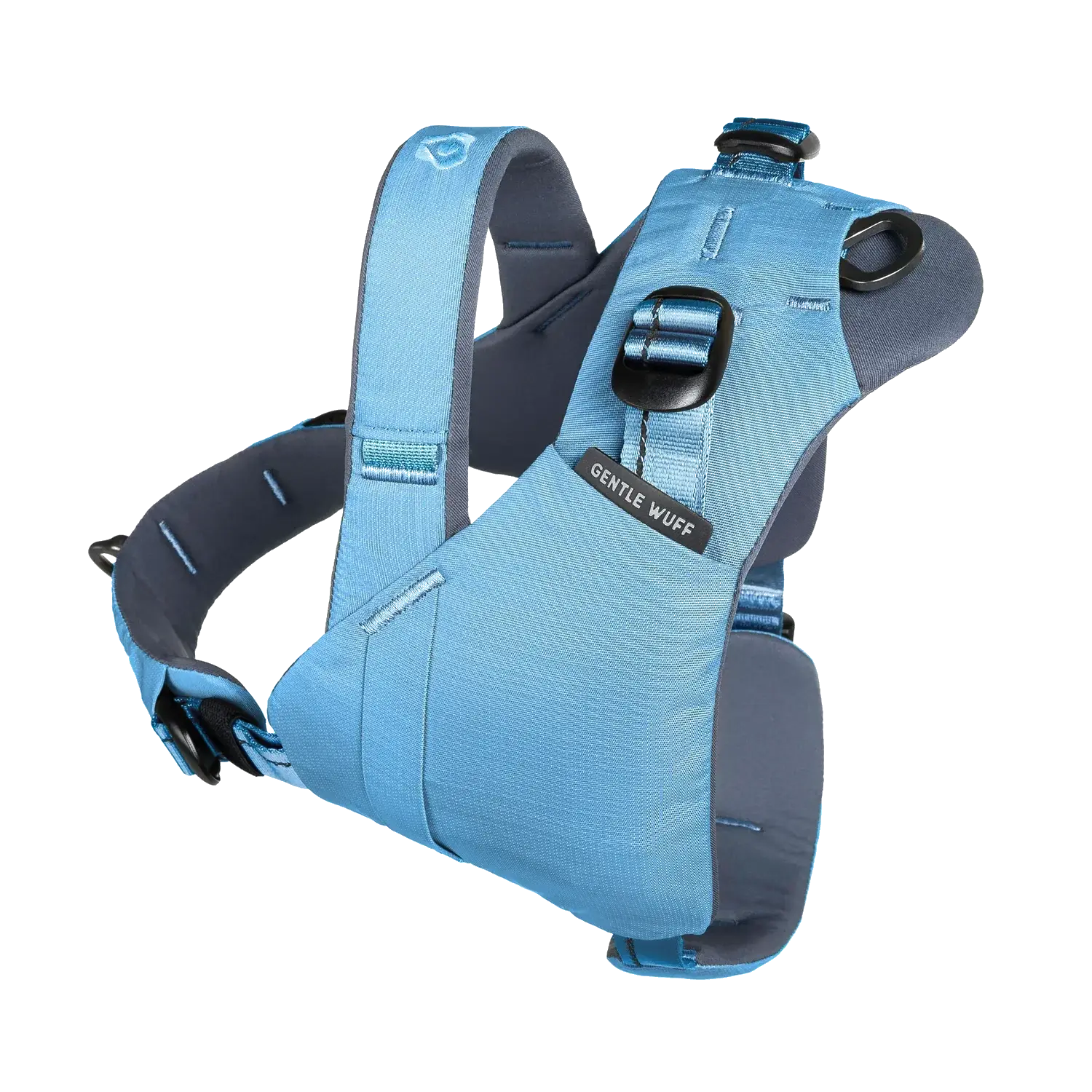
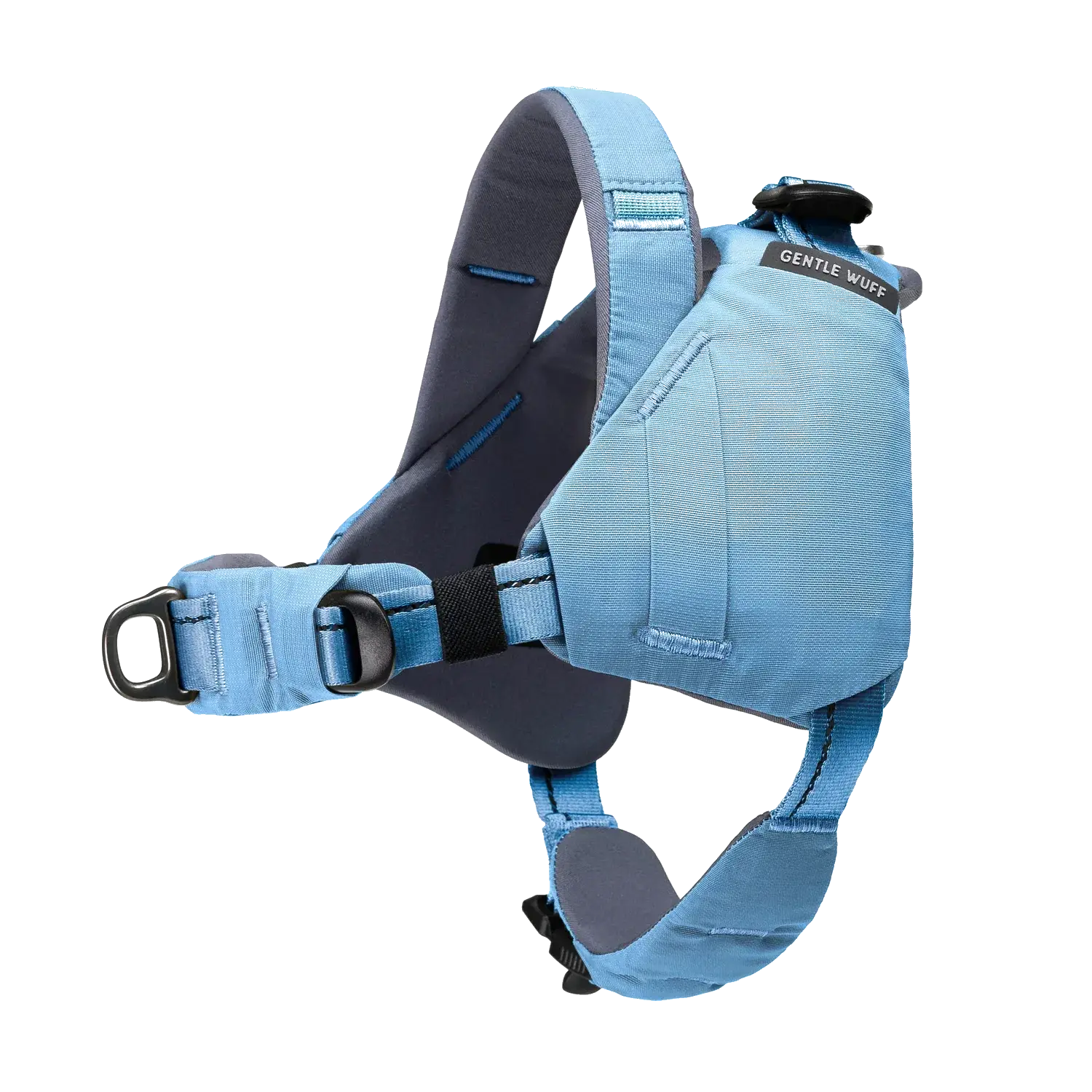
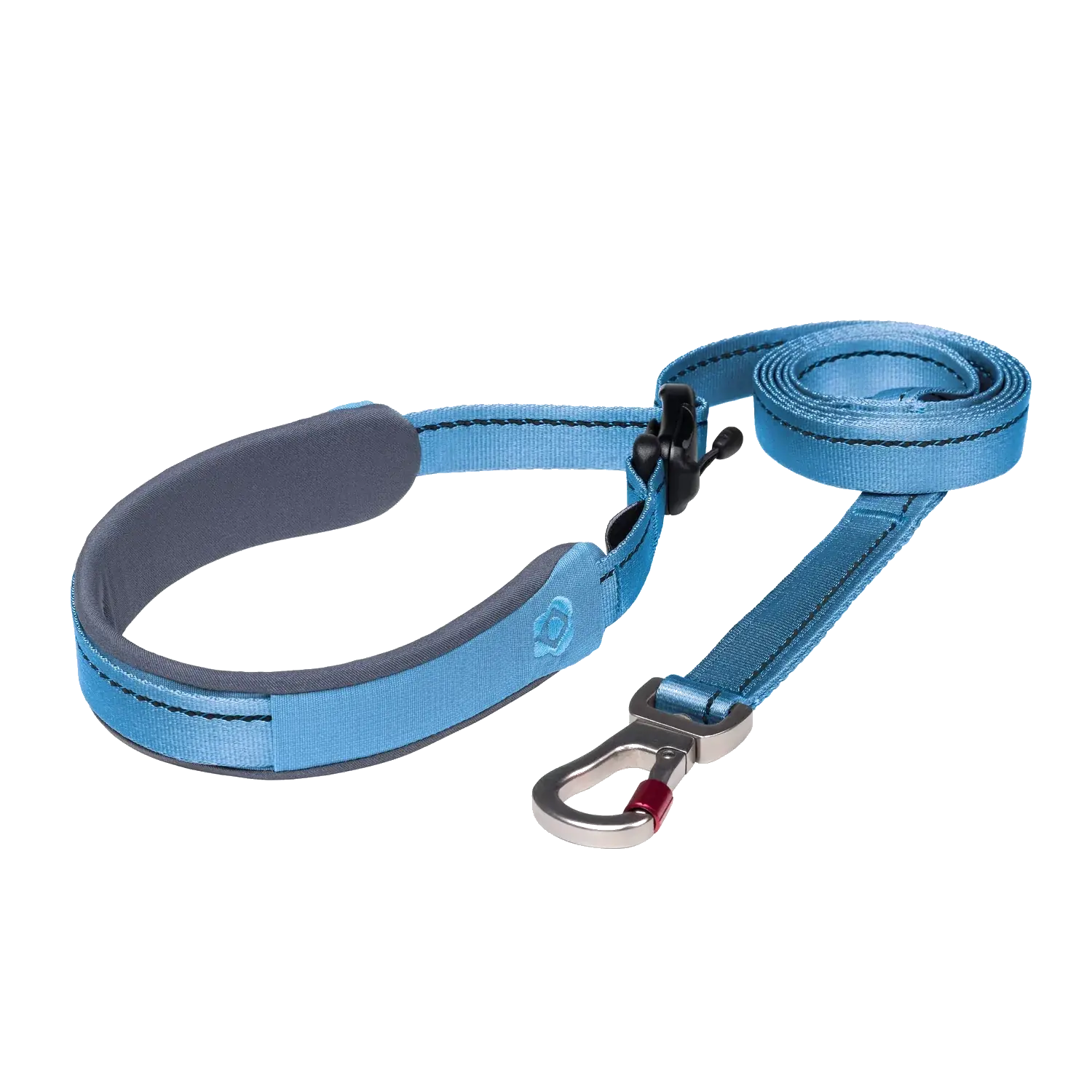
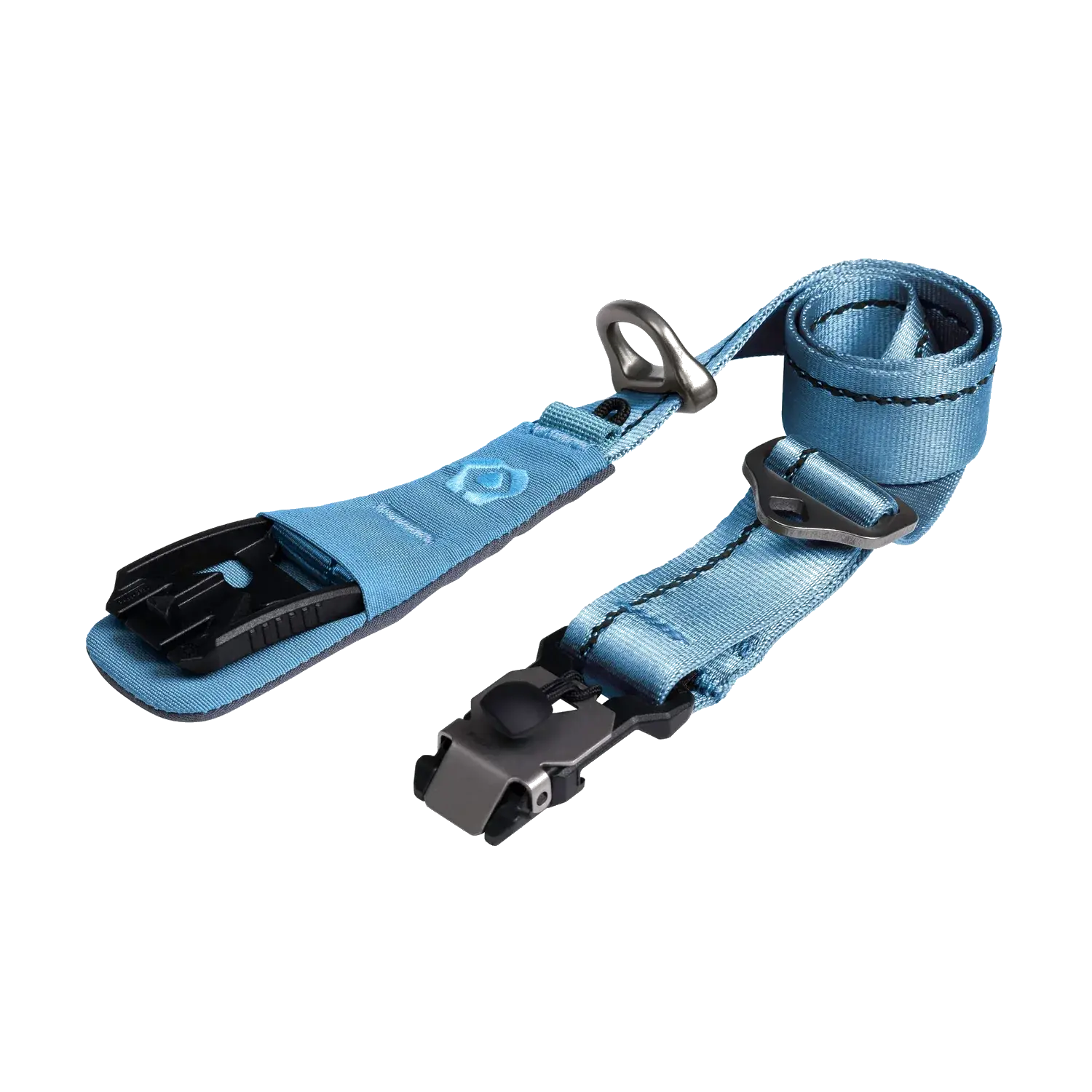
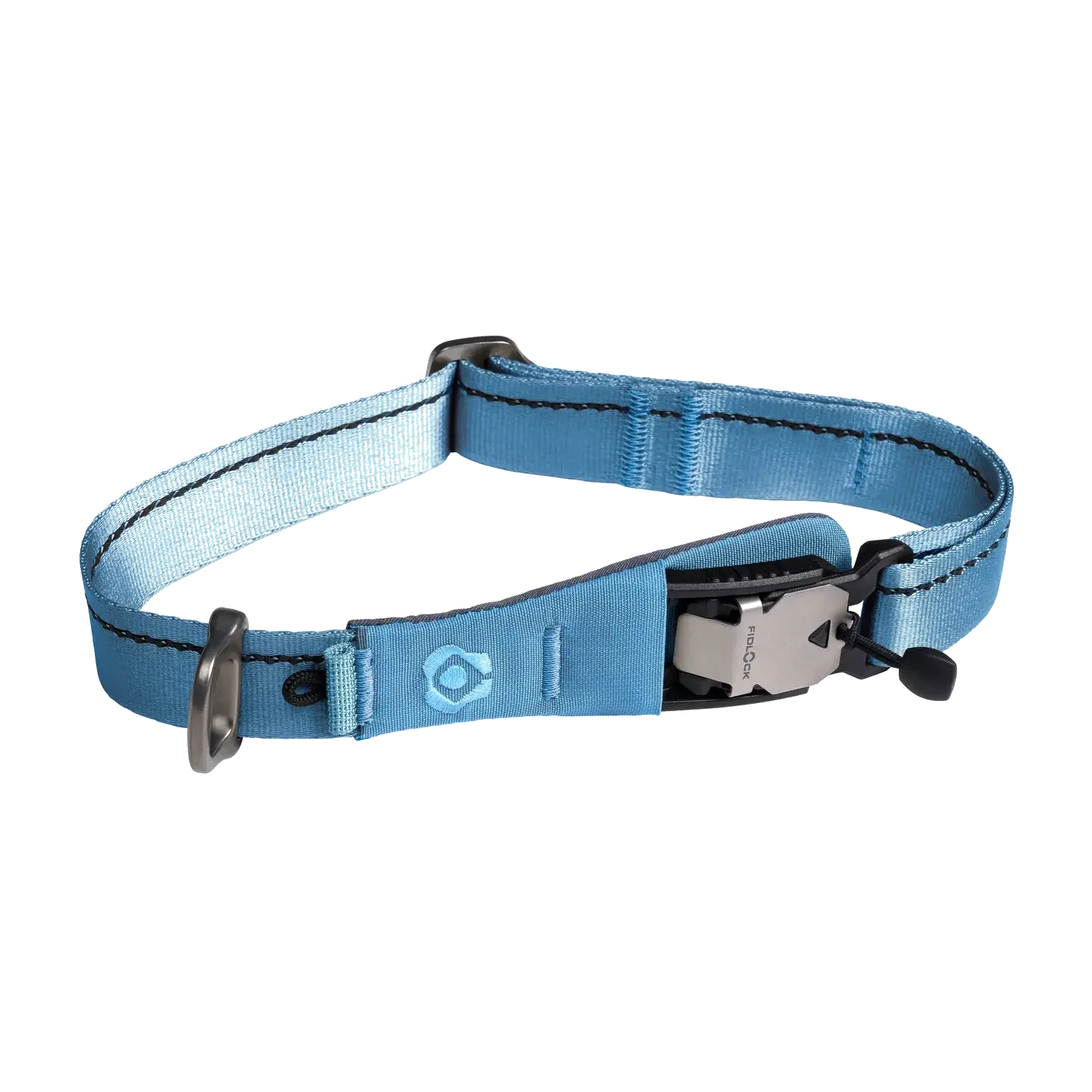
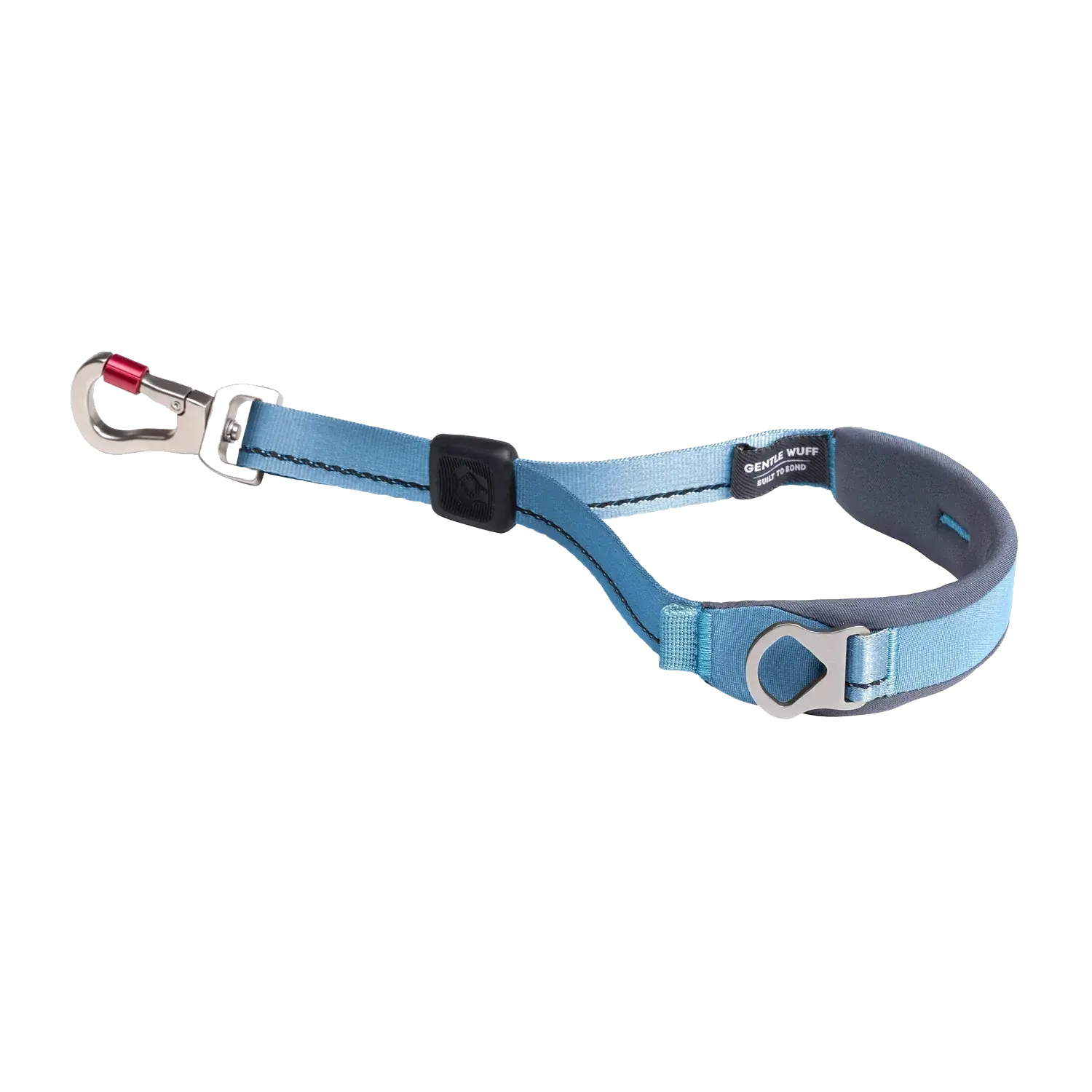
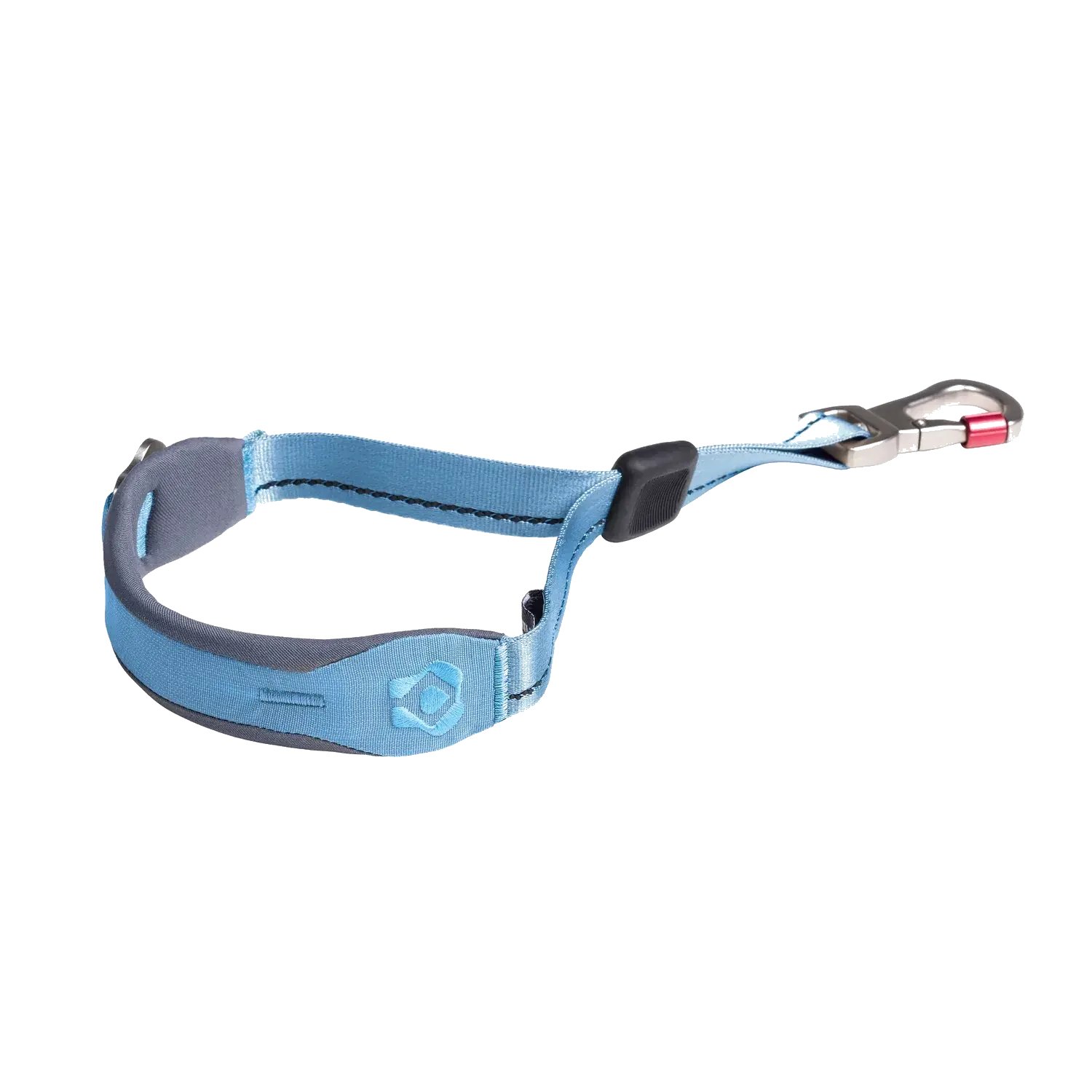
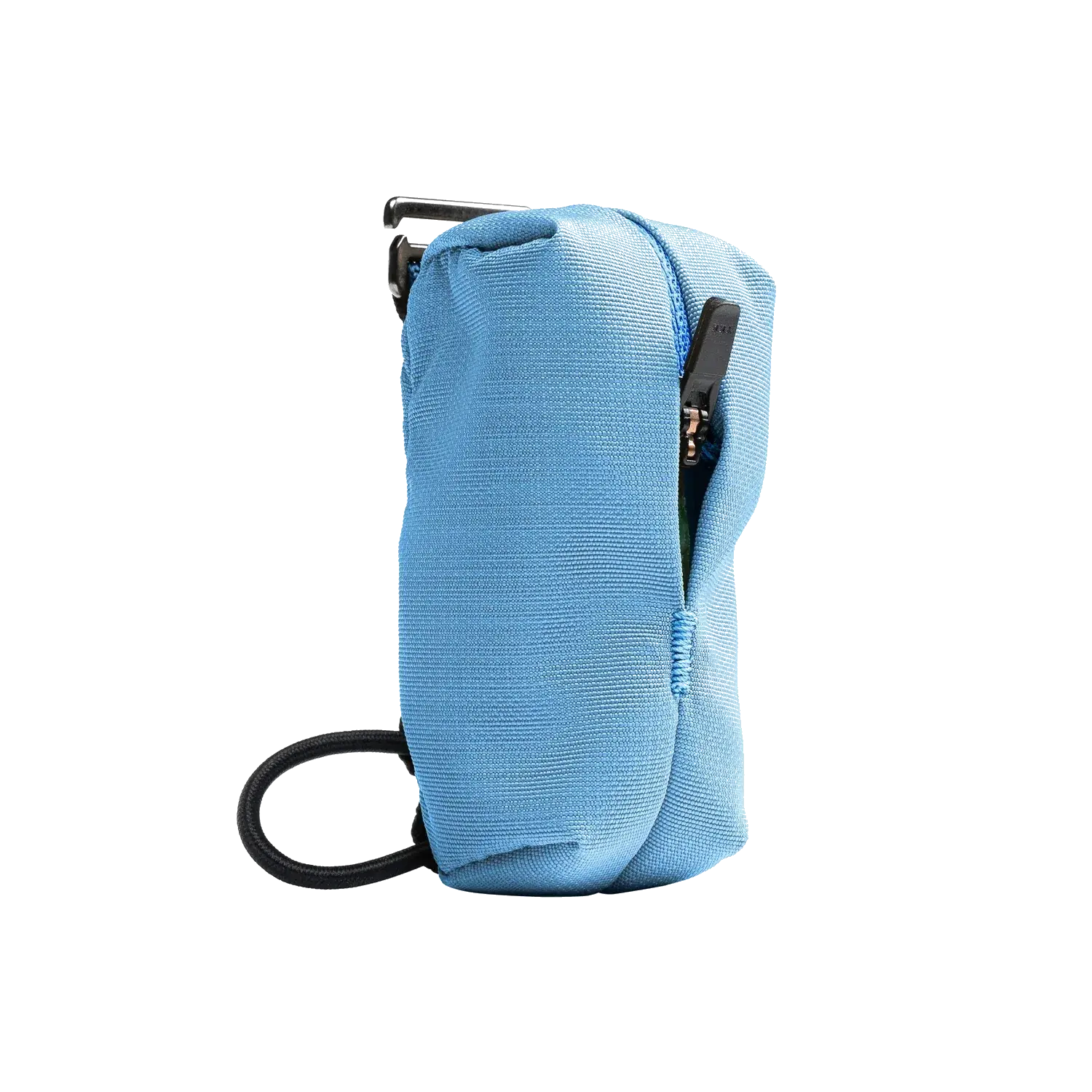
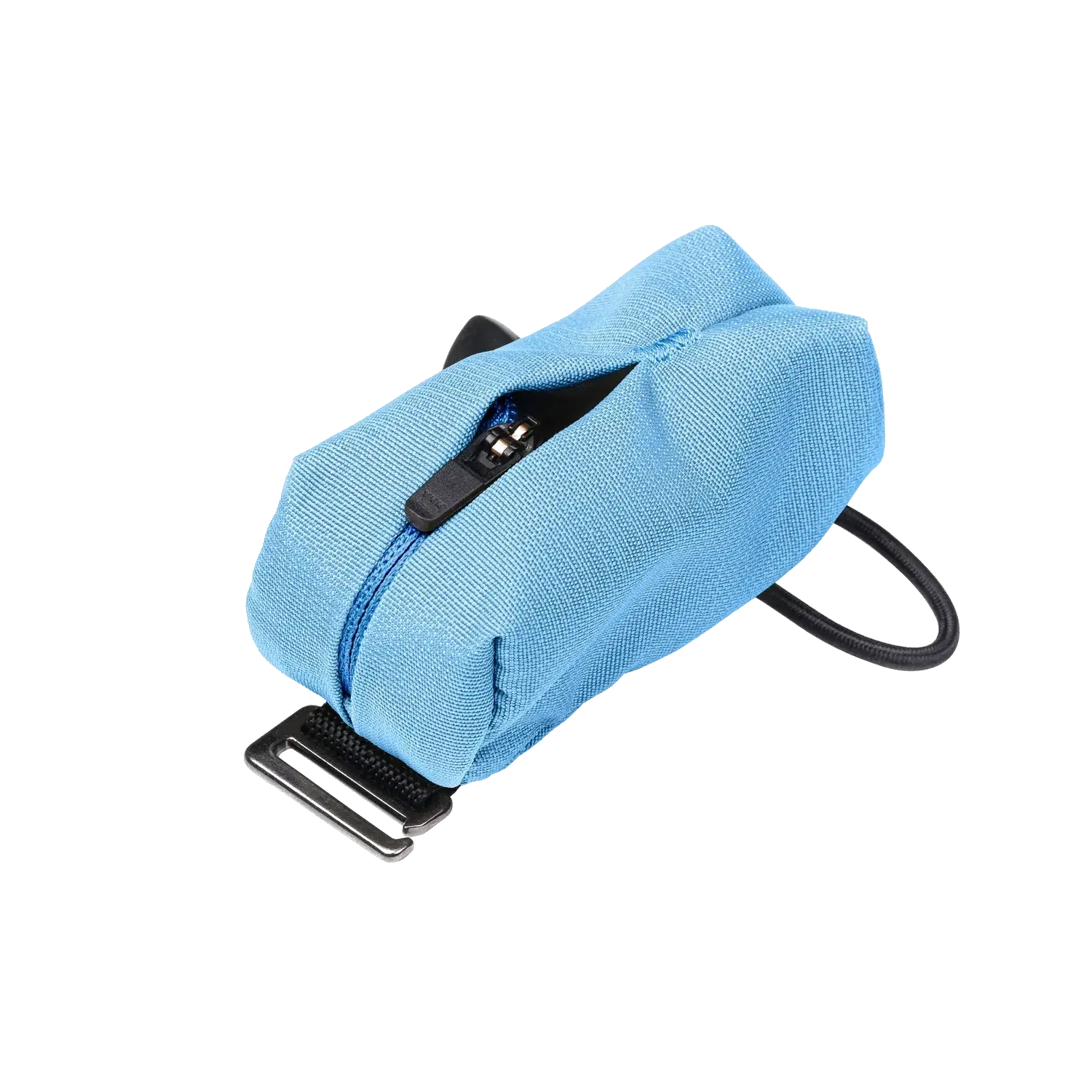
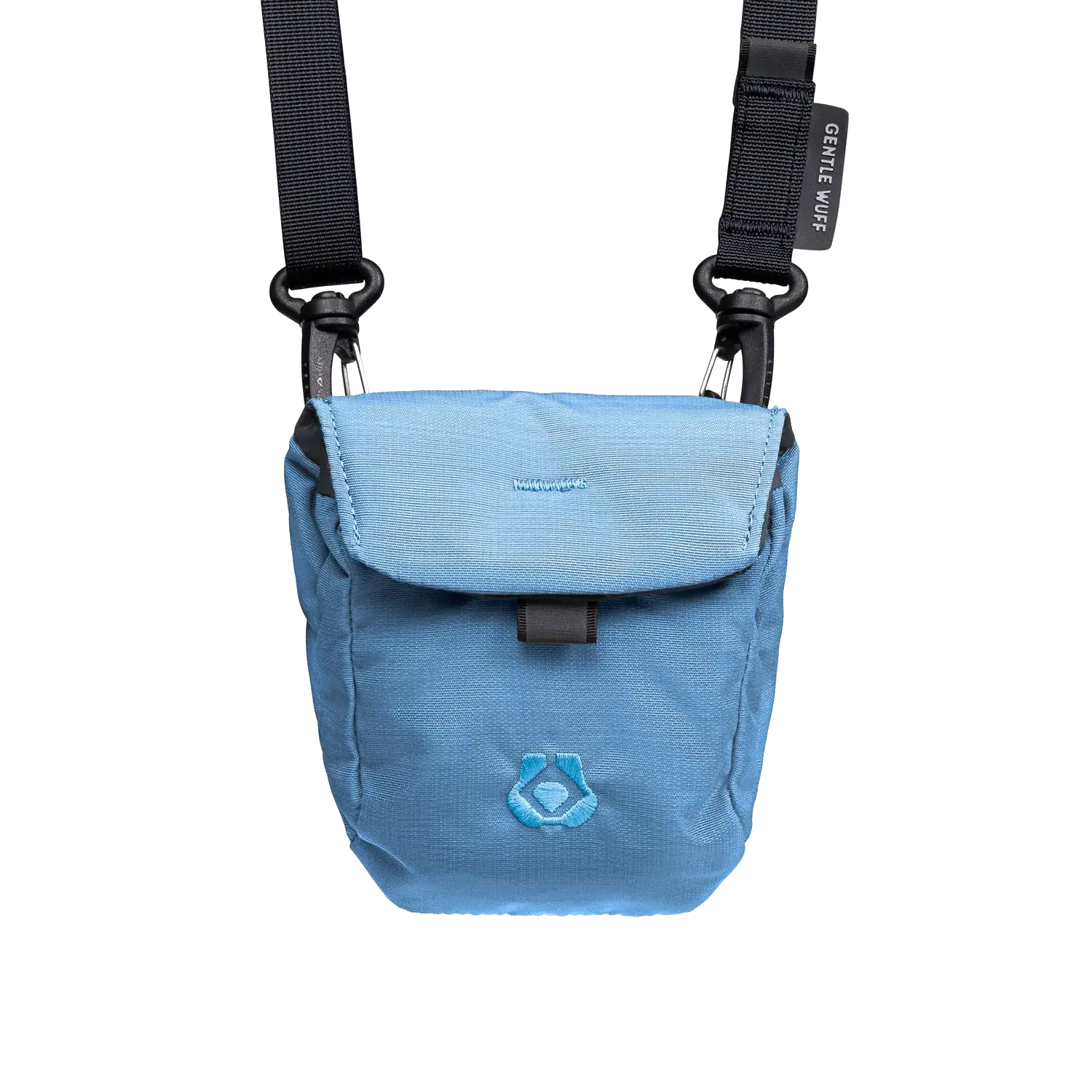
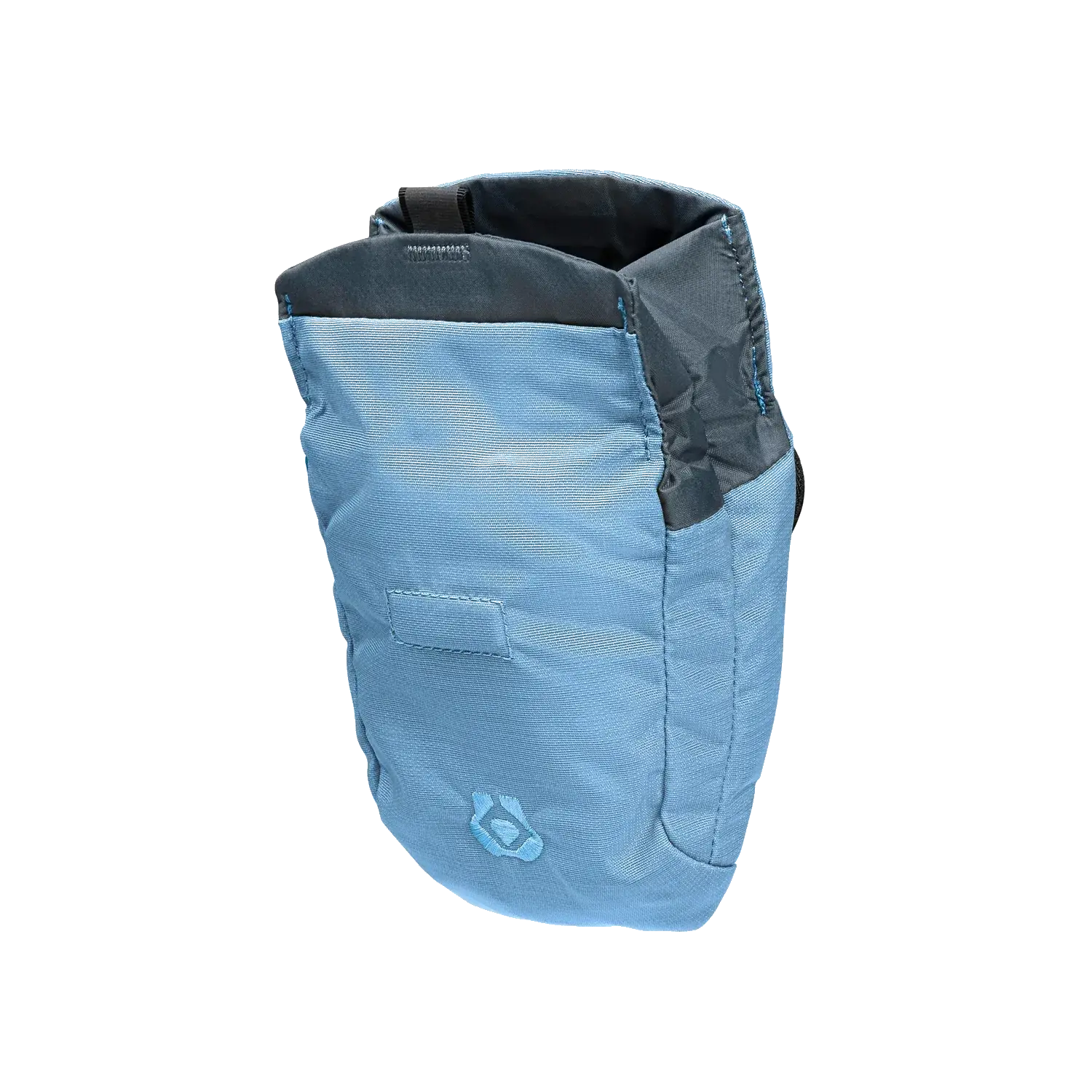
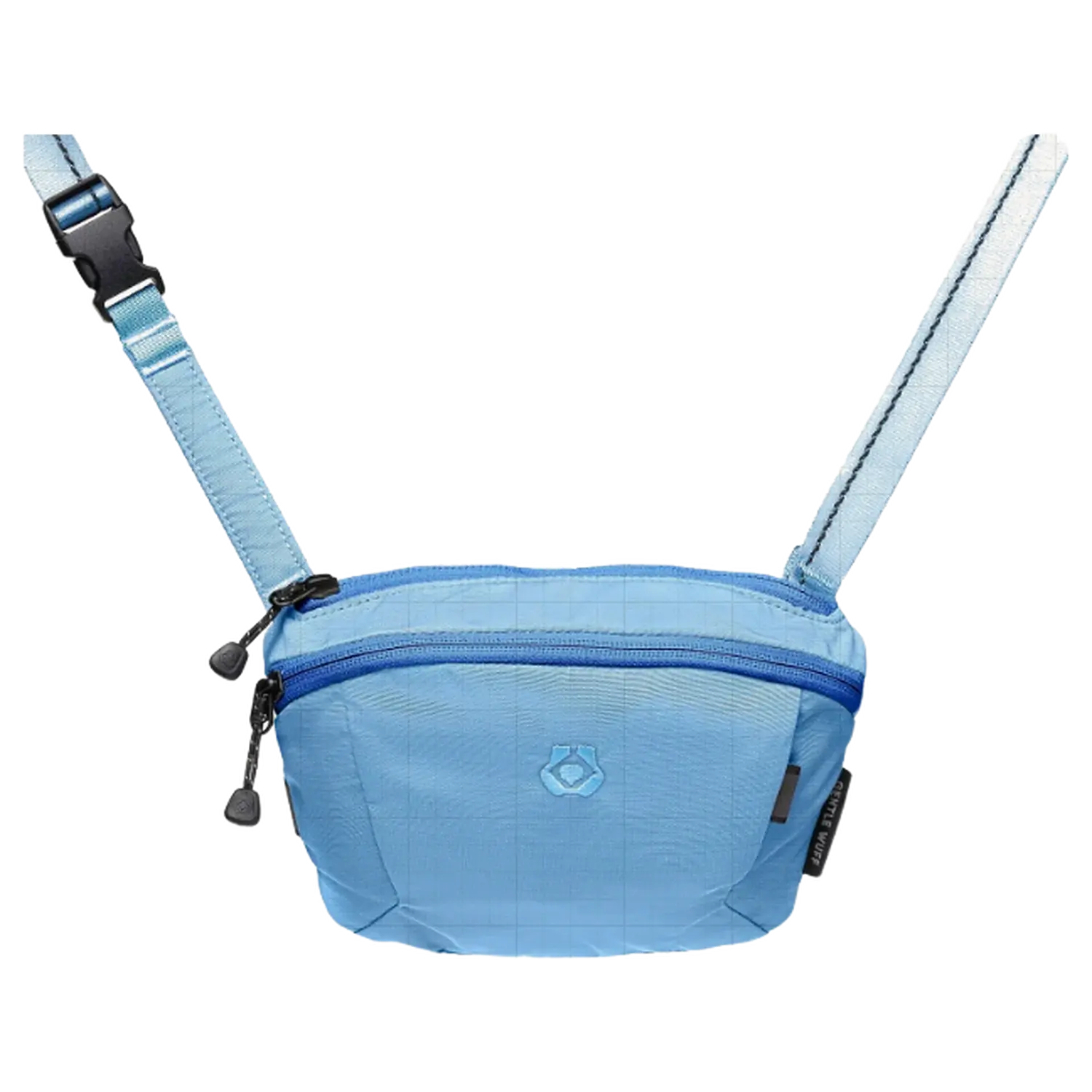
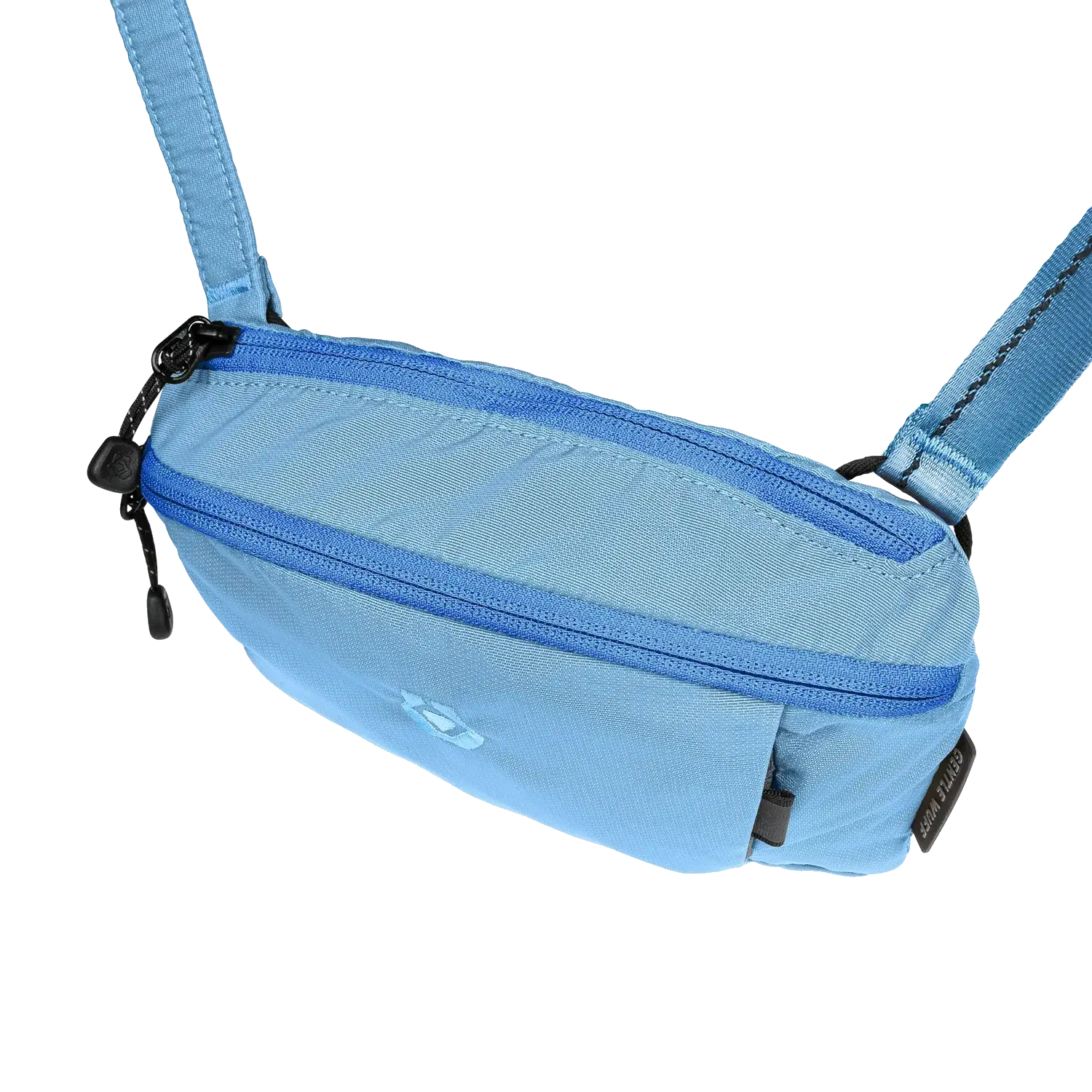
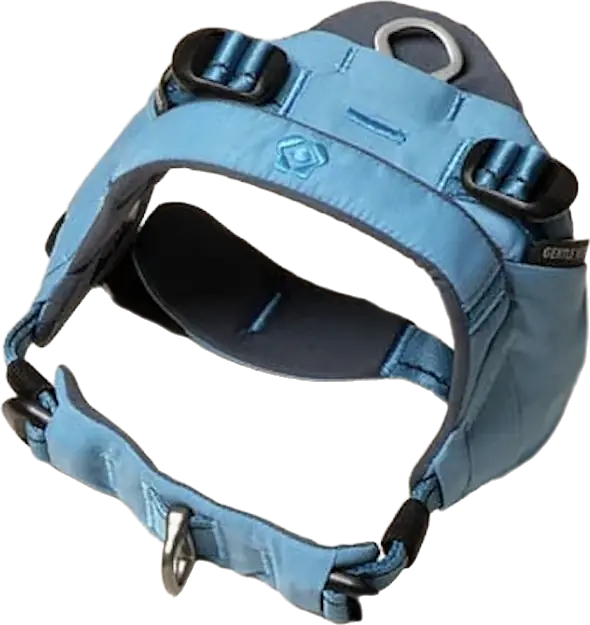
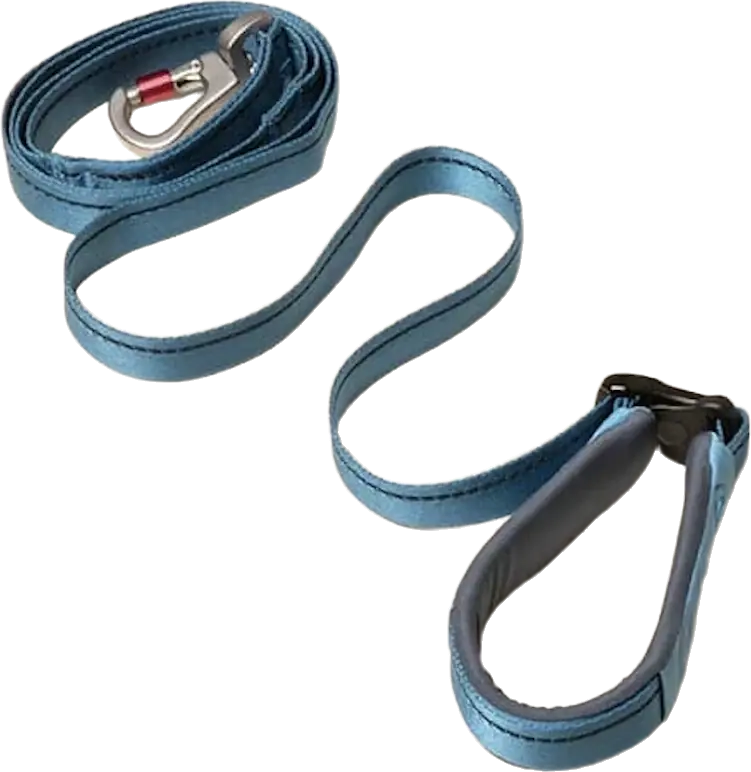
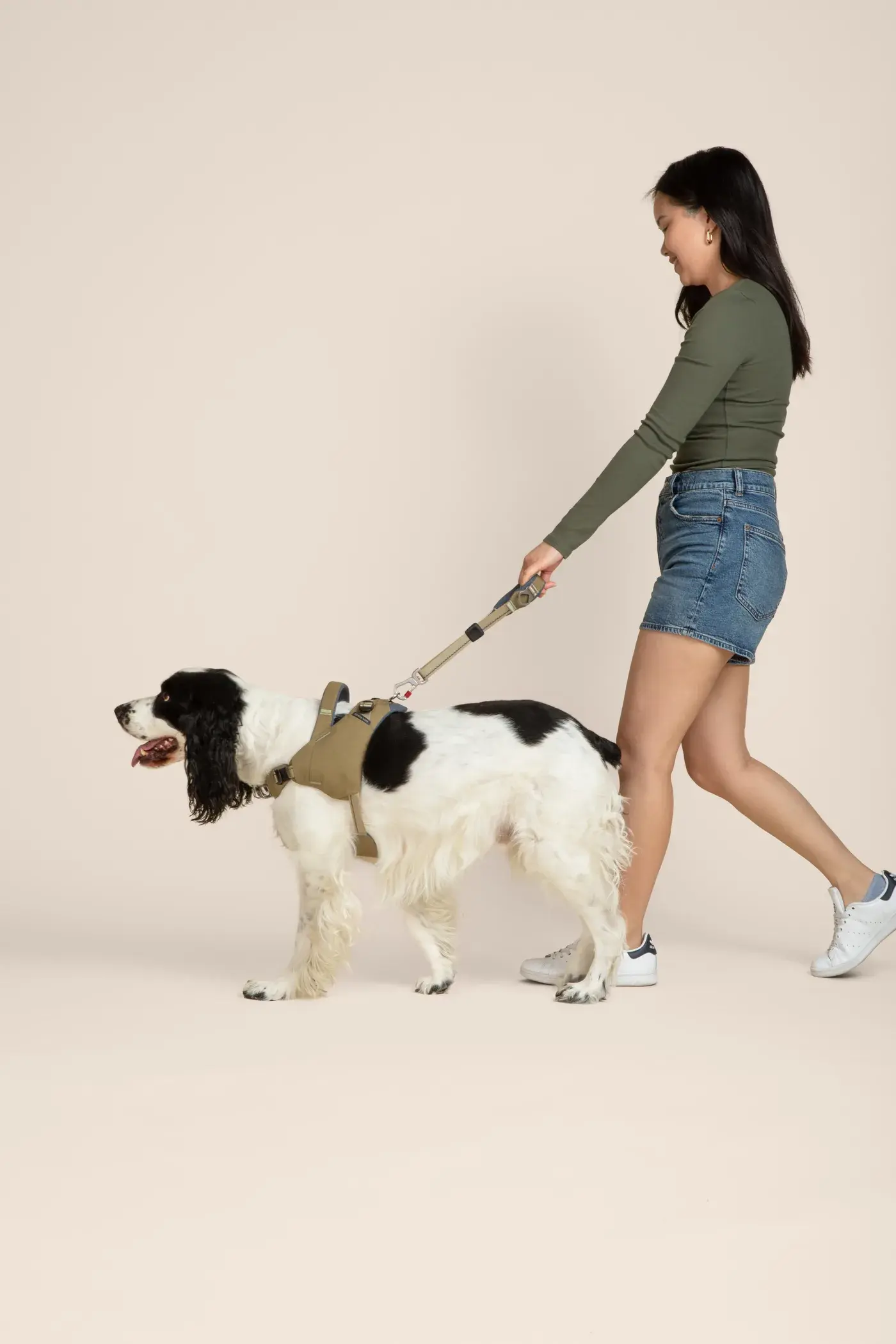
Fit and handling should support the routine, not promise a universal solution. Compare the basics in our dog walking gear guide, use the product-specific sizing guide, and inspect gear before each outing. For loose-leash training ideas, see how to stop your dog from pulling.
The short answer is simple: walk often enough to meet your dog’s movement, enrichment, and bathroom needs while keeping the pace and duration comfortable. Adjust with your dog, and ask your veterinarian when health, pain, breathing, or mobility is part of the question.
// FAQ
Frequently asked questions
How often should you walk your dog?
There is no universal number. For a healthy adult dog, one or two daily outings can be a reasonable starting point, then adjust frequency, pace, and duration for age, breed, health, energy, weather, and the individual dog’s response.
How long should a dog walk be?
A walk should last as long as your dog can complete comfortably at the chosen pace. Start with a manageable duration, include time to sniff, and increase gradually only when your dog recovers comfortably. A veterinarian can recommend a specific plan for a puppy, senior, overweight dog, or dog with a medical condition.
How often should I walk my small dog?
Small dogs need regular movement, but size alone does not set a universal schedule. Shorter, more frequent outings may suit some small dogs; adjust for age, breed, health, fitness, weather, and the dog in front of you.
What if my dog is a puppy, senior, or has a health concern?
Use a more cautious, individualized plan. Puppies are still developing, senior dogs may prefer gentle outings, and a dog with pain, breathing trouble, or another condition should follow veterinary guidance rather than a general internet rule.
How can I tell if our walking routine is too much?
Stop and reassess if your dog shows pain, limping, stiffness, reluctance to continue, unusual breathing, or difficulty recovering. Contact your veterinarian for persistent or concerning signs, and reduce intensity while you wait for advice.